Strains · A founder's case study
I started Strains
with my own kit.
I had years of reviews, photographs and ideas for what they could become. IntelligenceOS was the foundation I used to turn that material into a product I could keep building.
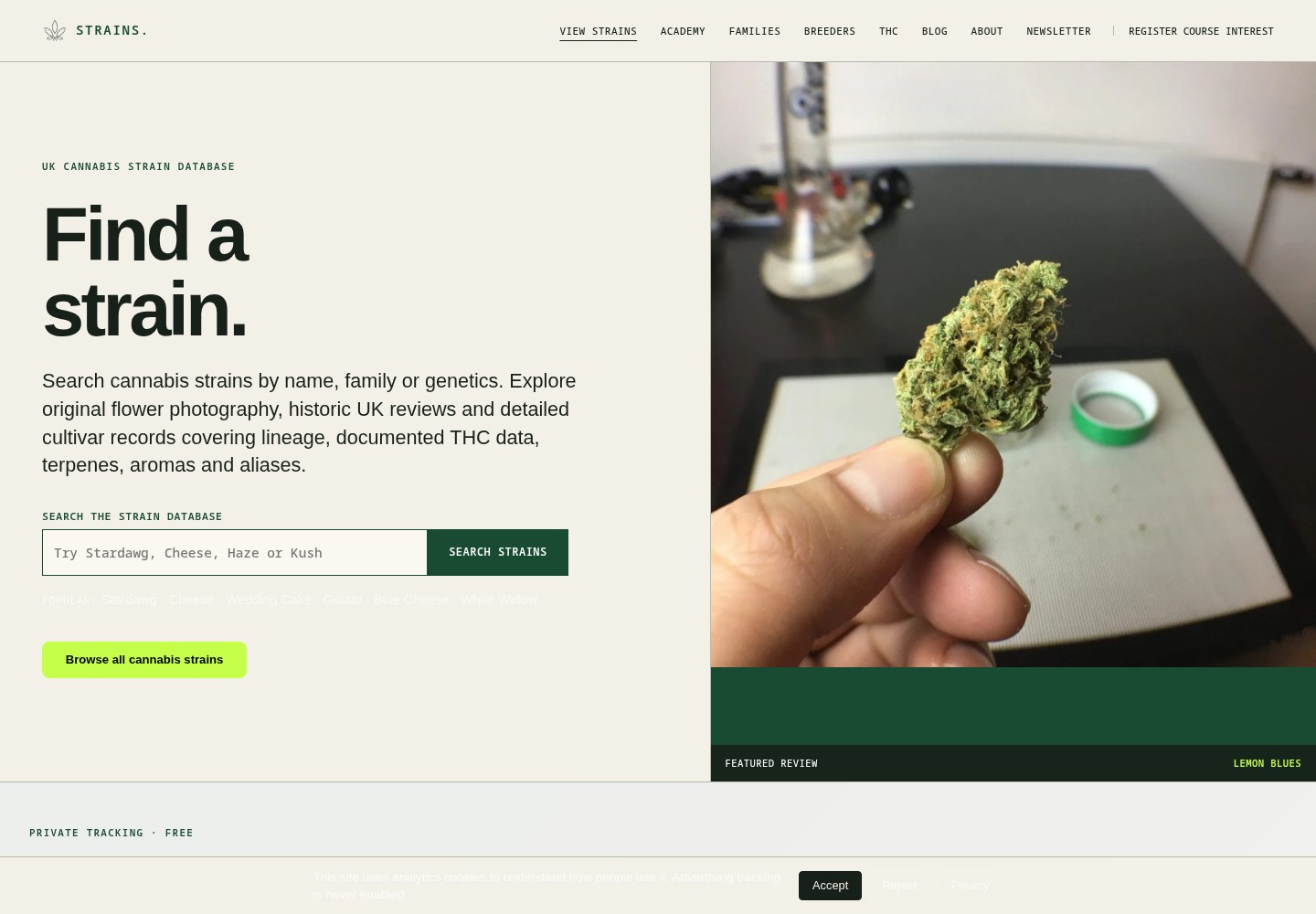
ProductStrain discovery & reviews
My roleFounder, editor & builder
FoundationIntelligenceOS + capable agents
First documented release26 July 2026 · 139 profiles
01 / The starting point
The material existed.
The product needed a shape.
Strains began with an existing body of review material and photography. I wanted people to be able to find a strain, recognise its aliases, explore its background and actually see the flower. A pile of pages would only get me part of the way there.
I started with IntelligenceOS as my project foundation. The job was to give the agent a clear direction and a place to keep the decisions, then build from there.
“I want to see if this works on a project I'm trying to build.”My starting request, recorded in the 26 July journal
That day's release record documents 139 published profiles and 482 optimised images. That is a dated starting milestone, not a claim about how quickly someone else will build a site.
02 / Product decisions
Give someone a reason
to keep exploring.
The next question was what a visitor should be able to do. The July roadmap made that concrete: start with a name, explore a preference, or use a profile as a reference. Keep the reviews central and make the uncertainty visible.
That shaped the work on search, profile structure, specimen galleries and routes through related strains. The useful detail was specific: which photograph leads a gallery, what an alias means, and when a relationship deserves a link.
My role was still to make those calls. The agents handled implementation; the project rules and recorded decisions gave later sessions something consistent to work from.
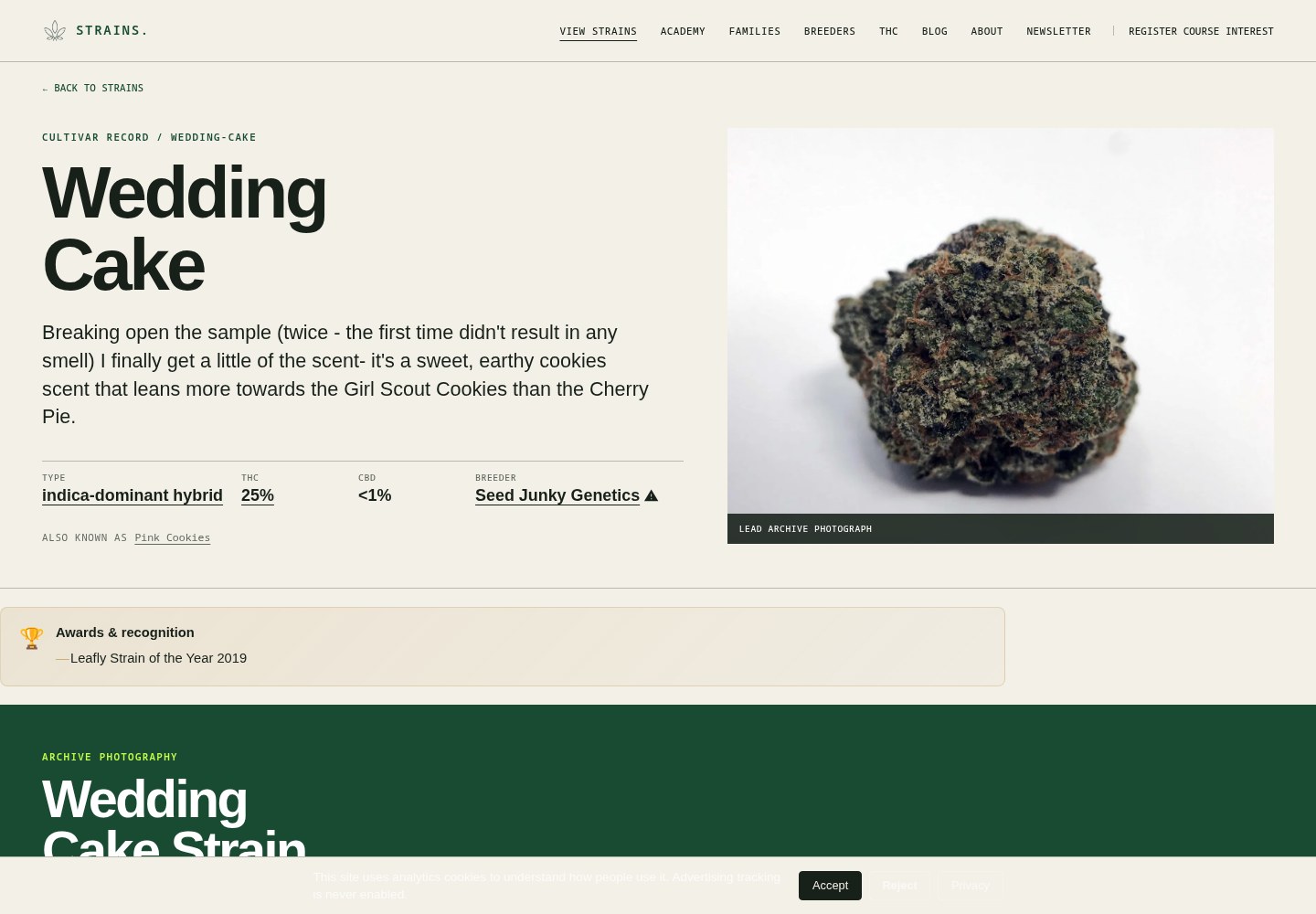
03 / Keeping the work coherent
A growing site needs
more than a good first prompt.
As the archive grew, the project had to distinguish research material from content ready to publish. A possible match, an approved photograph and a released profile are different things. Treating them as interchangeable would make the site less trustworthy.
The Strains project contract records the audience, goal, protected boundaries and definition of done. Its knowledge map connects profiles, breeders, lineage, images and releases. These are the project-specific rules built on top of the kit.
The history also records corrections, held releases and unfinished features. For example, the Academy was released as a coming-soon page while the learner experience remained withheld. Keeping that boundary was part of building the product.
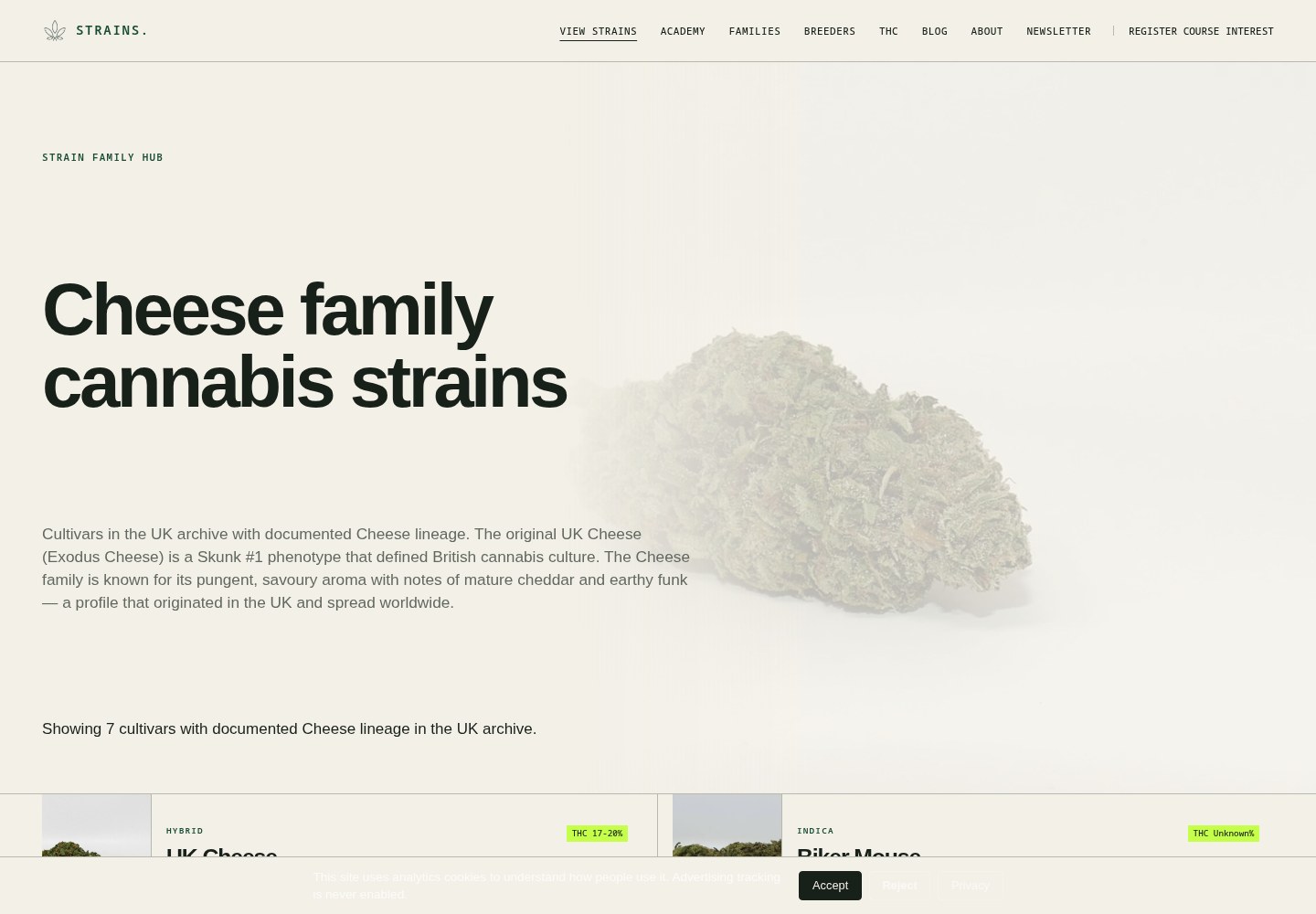
04 / What the kit contributed
A foundation I could
keep returning to.
Strains is the project I now lead with when I explain IntelligenceOS. I used the kit at the beginning, then developed the product with agents, my existing material and my own editorial judgement.
The practical value is having somewhere for the brief, working rules, project map and next step to live. When the work gets more complicated, the next session has a starting point beyond the last conversation.
IntelligenceOS maps supported local files and provides project guidance. The Strains website, research system and release workflow were further development work. This is my own build story, not a customer testimonial or a measured claim about time saved.
It is a live product you can explore for yourself. That is the proof I want to put first.
Start your next project
Give your AI projects
a stronger start.
Bring the idea. Use the kit to establish the brief, map and working rules, then build with a capable agent.
Reconstructed from my July and August 2026 project journal, the Strains roadmap and project records. Screenshots show the public site on 7 September 2026, not earlier versions. Private notes and source files are not included.